
Sport Highlight – Metacarpal Fractures
Hand injuries are a common part of playing sports, whether it is footy, soccer, boxing, or something else. Most of us have or know several people who have hurt themselves during a sporting endeavour. Our hands are often the part of our body that bears the brunt of an impact during one’s sporting career.
A metacarpal fracture is a break to one of the five bones in the hand that connect the wrist to the fingers. These bones are numbered one through 5, with one being the thumb and five being the small finger.
The most common cause of these fractures is during sports. A fracture to the fifth metacarpal is also called a boxers fracture due to the most common cause of these specific fractures being from a punch mechanism (eg. punching a ball or boxing bag). Metacarpals can also be fractured during football during a tackle and landing awkwardly, if your hand and fingers have been twisted in a forceful way, or during general impact.
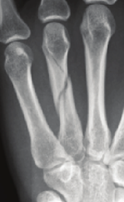
Symptoms of a metacarpal fracture include pain over the injured metacarpal, swelling on the back of the hand, bruising, reduced movement, and depending on the severity of the fracture there can also be changes in the way the fingers bend.
Hand therapists are involved in both conservative and surgical treatment of metacarpal fractures. At the initial time of injury, if being managed conservatively, a custom thermoplastic splint will be made. The hand will be placed in a position of safe immobilisation to protect surrounding tissues and allow easier mobilisation later down the track. After 4-6 weeks of full time splinting, you will be guided through a comprehensive mobilisation and strengthening program to regain your full function.
For fractures that are more severe, meaning that the bone may have rotated, become displaced, or angulated, surgery may be needed to ensure the bone heals in the correct place. Following this, you will be referred to a hand therapist who will make the same splint. Generally after surgery, you are able to start your rehabilitation faster than conservative management due to the fracture being stabilised internally and to reduce the risk of adhesions in your hand. Your hand therapist will assist with not only getting you moving again, but also with managing the wound and scar.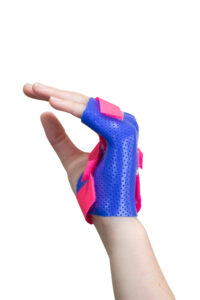
If you’ve had a metacarpal fracture and need advice getting back to full function or getting back on the field, book in with one of our therapists today
Written by Alexi Mustard